Looking for a creative escape? In this article, we’ll dive into the wildly popular world of Labubu DIY, exploring what makes these quirky little characters such a global sensation—and how you can make your own from scratch. From sculpting basics to customization tips and collectible insights, this complete guide brings you everything you need to master your own Labubu project while answering the internet’s most curious questions about them.
Let’s get hands-on and discover the magic of Labubu through creativity, craft, and collectible obsession.
The Story Behind Labubu DIY and Why Fans Are Obsessed
My First Encounter with Labubu
The first time I saw a Labubu, I was scrolling late at night and stumbled on a photo: wild grin, spiky hair, and a mischievous face that reminded me of childhood cartoons mashed with pop art. That moment sparked a curiosity that spiraled into a full-on obsession. But when I looked at the prices—some climbing into the hundreds—it hit me: I’d rather make my own. That’s how my Labubu DIY journey began.
Crafting a Labubu isn’t just about saving money. It’s about pouring your personality into something tangible, something fun, and something totally one-of-a-kind. As I molded the ears and shaped the pointy little teeth, I felt a connection to the world of toys I hadn’t experienced since I was a kid. This DIY version wasn’t just a project—it was a statement. A little rebel Labubu that was all mine.
Why Labubu DIY Matters
In a world full of mass-produced items, Labubu DIY stands out as a personal creative revolution. Fans aren’t just buying—they're building, imagining, and sharing their own interpretations of a toy originally brought to life by Pop Mart and artist Kasing Lung. The idea of taking Labubu into your own hands—literally—has become a popular alternative among artists, hobbyists, and collectors.
Not only does DIY give you the satisfaction of building something from scratch, but it’s also an affordable way to enter a space dominated by expensive limited-edition figures. And as you'll see, custom Labubus can even become collector-worthy items themselves—especially if you learn how to nail the look and feel.
Throughout this guide, we’ll explore how to create your own Labubu DIY figure, what materials you’ll need, tips to get that mischievous look just right, and why fans around the world are hooked on crafting their own.
And if you’ve ever wondered why Labubus are so expensive, how to spot a fake, or how many teeth they really have—we’ll answer all that, too.
Before you sculpt your very first Labubu DIY figure, it’s essential to gather the right supplies. While many artists experiment with what’s available, here’s a tried-and-true materials list to ensure you get that signature Labubu shape, grin, and quirky details:
Polymer clay or air-dry clay – For shaping the body, face, and fine details
Wire armature or aluminum foil – For building the internal structure
Sculpting tools and a fine needle – To define facial features and tiny teeth
Acrylic paints – For coloring and detailing
Varnish or matte finish spray – To protect and seal your final figure
Reference images of Labubu – Crucial to stay true to the iconic look
Optional materials include UV resin for glossy eyes, tiny fabric scraps for clothes, or even magnets to make detachable parts. The beauty of Labubu DIY is that you’re not bound by rules—creativity is the only requirement.
To stay organized, set up a small craft station with good lighting and a clean surface. If this is your first sculpting project, start with basic shapes and gradually refine.
If you love DIY toy culture, our article on Miniature Dollhouse Crafting has some valuable tool tips you can also apply here.
Sculpting the Body, Head, and Face
Begin with the core structure. Use foil or wire to shape a small base resembling Labubu’s pose—slightly hunched, long ears, and stubby arms. Once the armature is set, layer on clay evenly.
When sculpting the face, it’s all about expression. Labubu’s wide grin, round eyes, and detailed ears define the character. Use a needle or fine-pointed tool to carve small teeth (yes, Labubu typically has six to eight visible teeth, depending on the edition, which answers one of the most common collector questions).
Don’t forget the hair. Use a pointed tool to create spiky texture lines going backward. This gives Labubu that signature wild look fans recognize.
Once shaped, bake the polymer clay according to package instructions or let air-dry completely before painting.
For more visual toy sculpting references, check out our guide to Custom Clay Figures for Beginners, which includes side-by-side shape-building images.
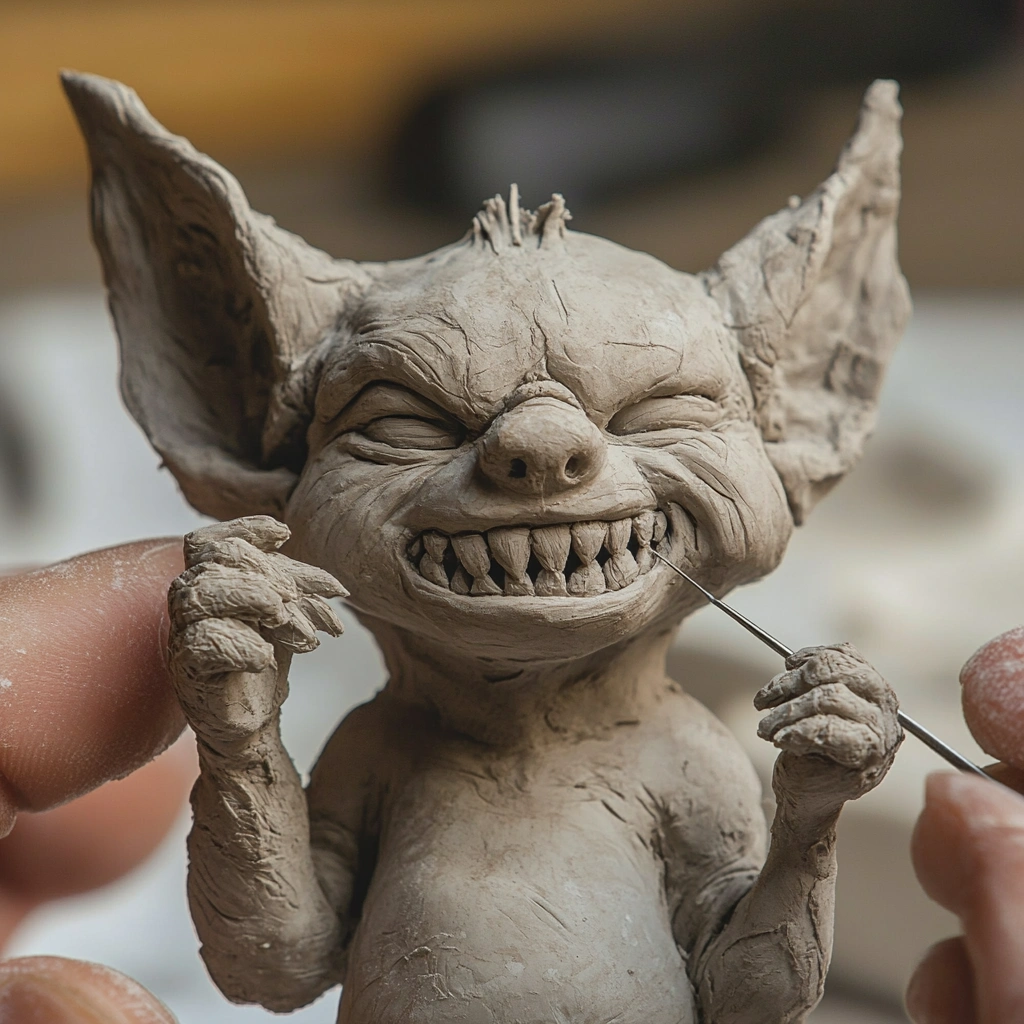
Work-in-progress Labubu figure during clay sculpting
Painting, Customizing, and Perfecting Your Labubu DIY
Painting Techniques for Labubu’s Signature Look
Once your sculpted Labubu is dry and ready, it’s time to paint. Start with a neutral base coat—typically white or light gray—so your colors pop. Then, move on to the fun part: color-blocking the body, face, and hair.
Labubus are often seen in gray, lavender, or soft pastel tones, but this is your world—experiment! Use acrylic paints for quick-drying, smooth coverage. Small detail brushes are perfect for getting into the grooves between those iconic teeth and ears.
For the face, start with the eyes—a bold black or dark brown, often with a small white dot to reflect light. Then move to the teeth, painting each one carefully with ivory or bone-white. Don’t forget the inside of the mouth—usually a soft pink or light red.
To create texture, use dry brushing or sponging techniques for the fur and ears. If you're feeling adventurous, use metallic paint or glow-in-the-dark accents to make your figure stand out.
Once done, seal it with a matte or glossy varnish, depending on your preference. This not only protects the paint but adds a finished, polished look.
Interested in painting toy eyes like a pro? Our Chibi Figure Paint Guide explains how to create lifelike depth and shading.
Making Your Labubu Unique: Custom Add-ons
One of the coolest parts of Labubu DIY is customizing your figure beyond the traditional. Consider these ideas to make your version a standout:
Add a tiny hoodie or cape using felt and glue
Sculpt accessories like a toy sword, camera, or ice cream cone
Use UV resin to give eyes a glossy, glass-like finish
Insert magnets in limbs to create interchangeable arms
Add a name tag, base, or mini diorama background
Customizing not only makes your Labubu one-of-a-kind but can also increase its value among collectors. DIY editions with imaginative themes often attract attention in fan communities—and some even resell for impressive amounts!
Want to go further with themed design? Take a look at our DIY Anime Figurine Costumes for fabric-fitting tricks and miniature accessories.
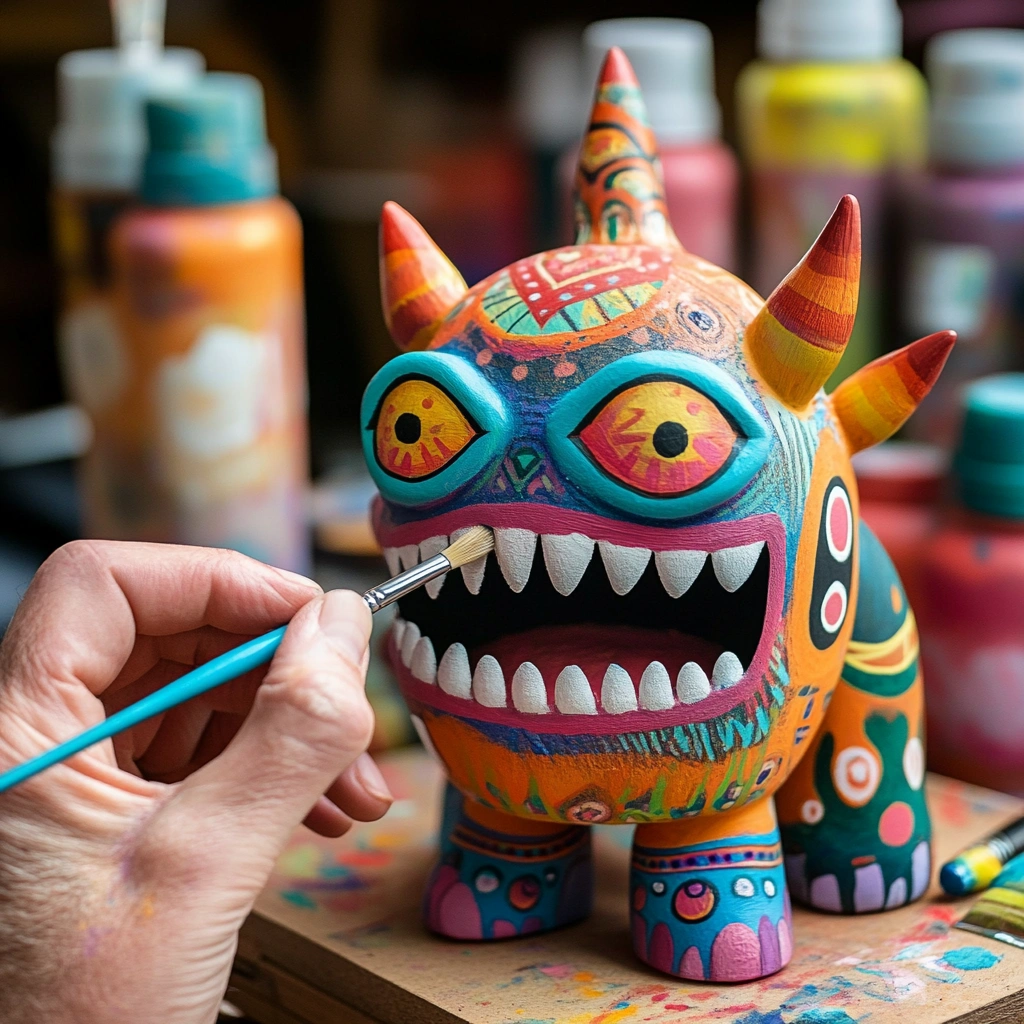
Customizing a Labubu figure with detailed brushwork
Why Labubu DIY Is Changing the Collectible Game
Why Labubus Are So Expensive
It’s no surprise that original Labubu figures often carry eye-popping price tags. The brand, part of the POP MART universe and designed by artist Kasing Lung, has cultivated a cult-like fan base. Limited editions, blind-box packaging, and artist collaborations drive demand—and prices can skyrocket to over $300, especially for rare variants.
Each release is carefully curated, often with regional exclusives, which fuels FOMO among collectors. Add in scalpers and online resellers, and suddenly the price isn’t just about a toy—it’s about status, scarcity, and emotional value.
That’s where Labubu DIY offers an alternative. Instead of breaking the bank, fans can recreate the essence of Labubu with their own flair, and for a fraction of the cost. The best part? There are no limits. You control the pose, color, accessories, and story behind each figure.
Related read: Our analysis of Blind Box Toy Craze breaks down how limited runs shape collector culture.
Spotting Fakes vs. Honoring DIYs
With the rise of popularity comes a rise in fakes. Many ask: How to tell if a Labubu is real? Authentic figures typically feature:
Branded POP MART stamps on the foot or base
A well-designed box with serial and edition info
Higher material quality—smooth lines, sharp details
A card insert confirming the specific version
Fakes often have warped paint jobs, lack fine detail, and come in generic or unmarked boxes. DIY versions, however, are proudly not counterfeits—they’re personal expressions inspired by Labubu, often built from the ground up using original designs or references. And the DIY community is fiercely creative.
It’s a distinction that matters: fake mass-produced replicas seek to deceive, while DIY versions are crafted with love, skill, and originality. In fact, some artists are now known specifically for their custom Labubu pieces, making their DIYs more collectible than mass releases.
If you’re curious about custom toy value, visit our guide on Handmade Toy Trends, which explains resale value and demand factors.
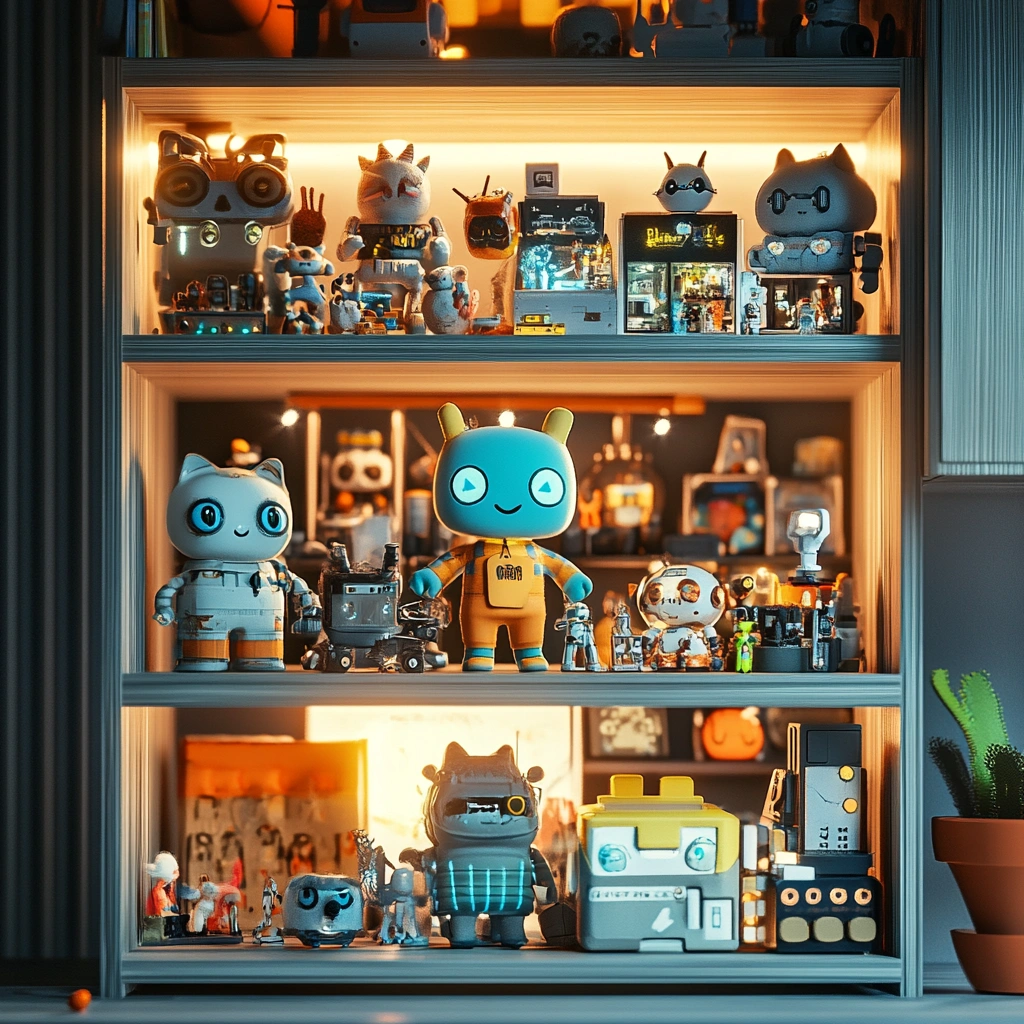
Fully finished Labubu DIY custom figure ready for display
Conclusion
Labubu DIY isn’t just a crafty weekend project—it’s a movement of imagination, rebellion against high prices, and an open invitation to personalize a character that’s stolen hearts around the world. Whether you sculpt your first one from clay or paint your tenth with glitter and glow, each figure carries a story—and maybe even a bit of that Labubu magic.
So grab your clay, flex your creativity, and join a global tribe of DIYers who are rewriting what it means to collect.
Labubu figures are expensive due to limited editions, brand exclusivity from POP MART, and strong demand among global collectors. DIY alternatives offer a more affordable and creative entry point.
How to tell if Labubu is real?
Check for POP MART logos, authentic box packaging, edition cards, and high-quality craftsmanship. Fake figures often have poor paint and lack branding. DIY versions are custom and don’t claim to be originals.
How many teeth does Labubus have?
Most Labubu figures show 6 to 8 small, sharp teeth, though this can vary slightly by design. The grin is iconic and should be carefully detailed in DIY versions.
Why is Labubu so popular?
Labubu’s quirky design, expressive features, and mysterious backstory have captured fans worldwide. Combined with limited availability, this makes Labubu both collectible and beloved.



Leave a Reply